
Jumping Spiders For Sale UK
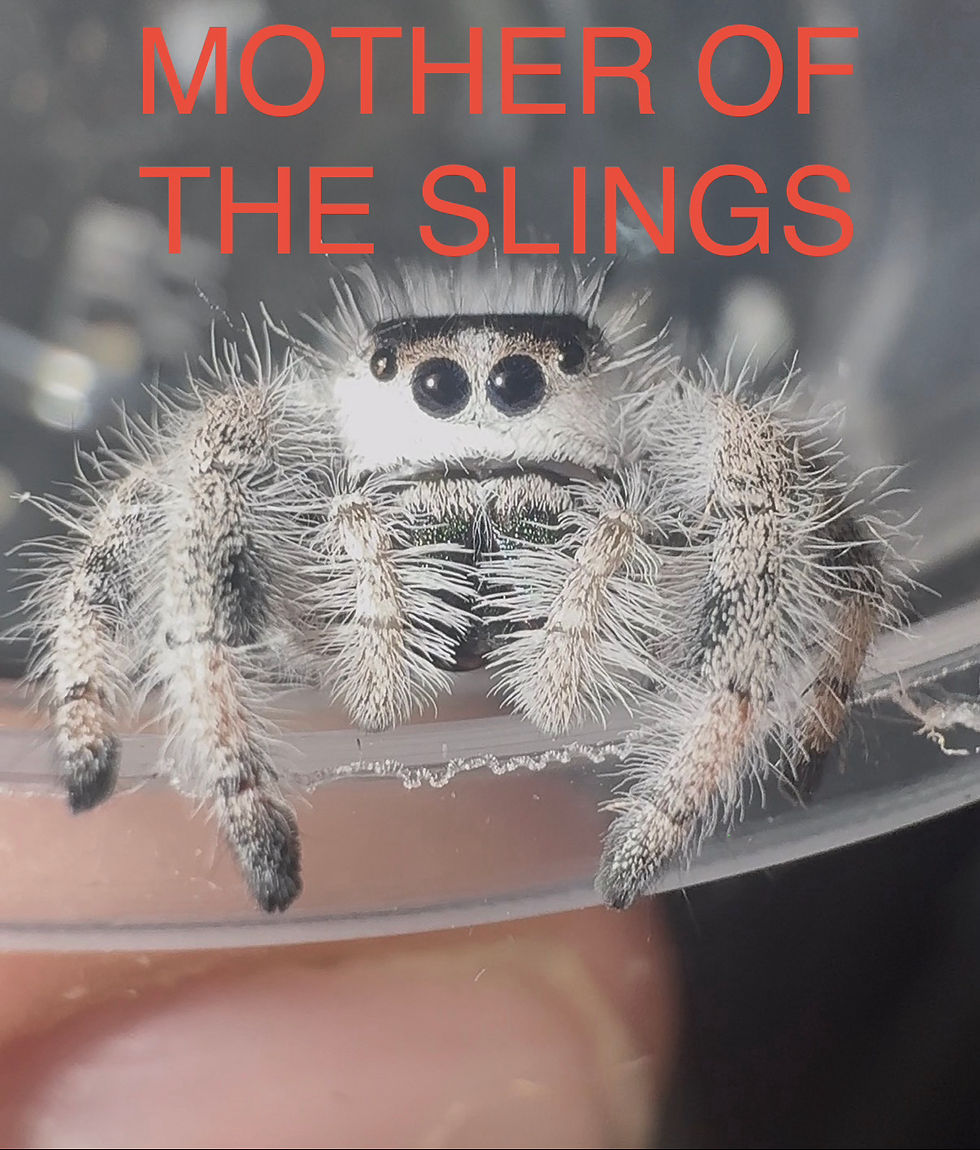
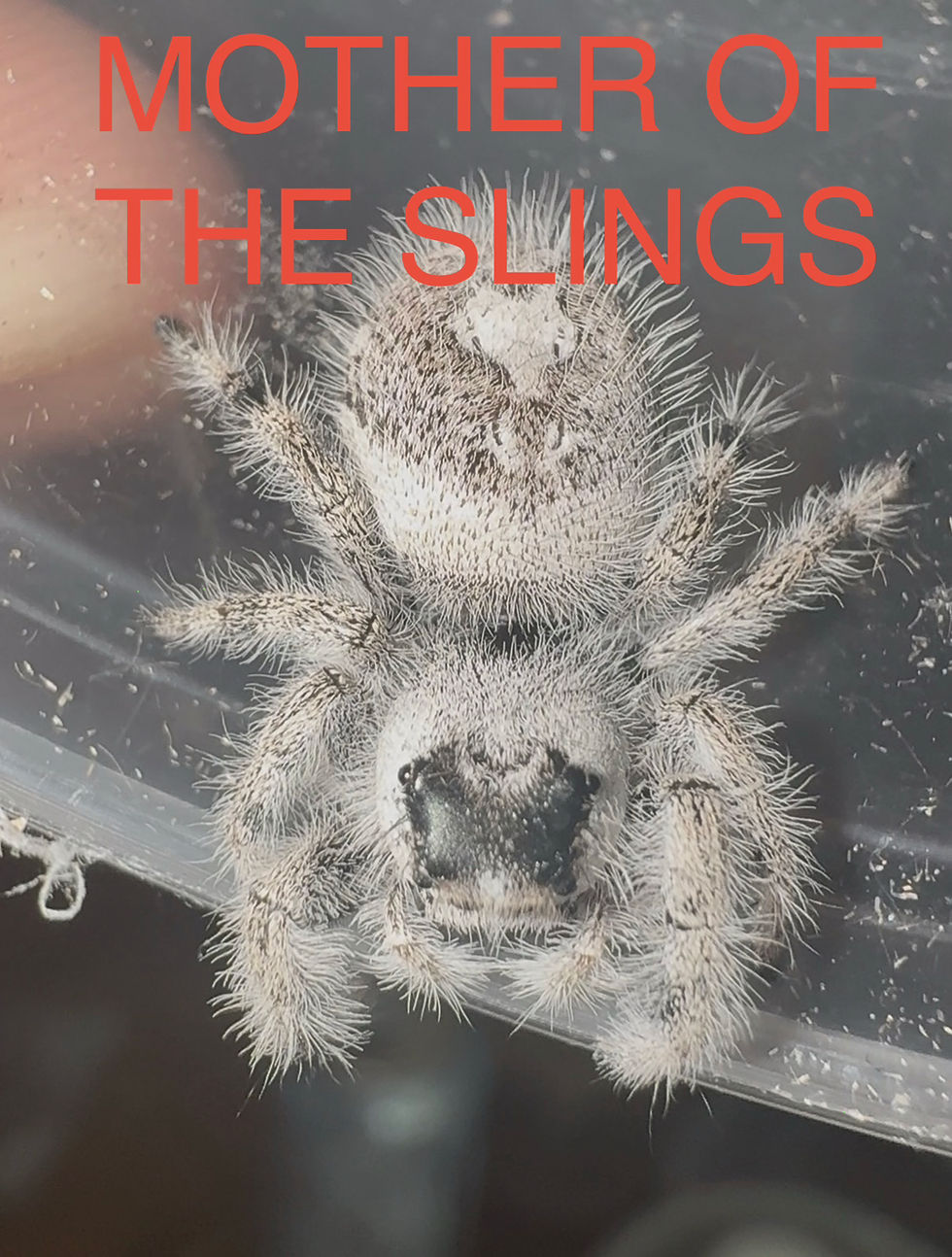
Browse our range of Phidippus jumping spiders for sale - captivating with colour, personality, and charm. Our high White Bahamas locales are known for their crisp black and white contrasts, while the vibrant Florida locale stands out with bold orange and black markings. We also offer our famous selectively bred Panda line high white Bahamas jumping spiders, selectively bred for high white patterning - these are in high demand and truly are one of a kind.
At MM Invertebrates, each of our spiders are captive-bred and raised with expert care, ensuring they arrive healthy, active, and ready to thrive.
If you have any questions about care, husbandry, or choosing the right spider, contact us today - we’re always happy to help.

UK Captive-Bred Phidippus regius White Bahamas Jumping Spiders

UK bred and raised Phidippus regius Apalachicola jumping spiders

Vibrant, captive-bred Phidippus regius Florida locale jumping spiders for sale UK

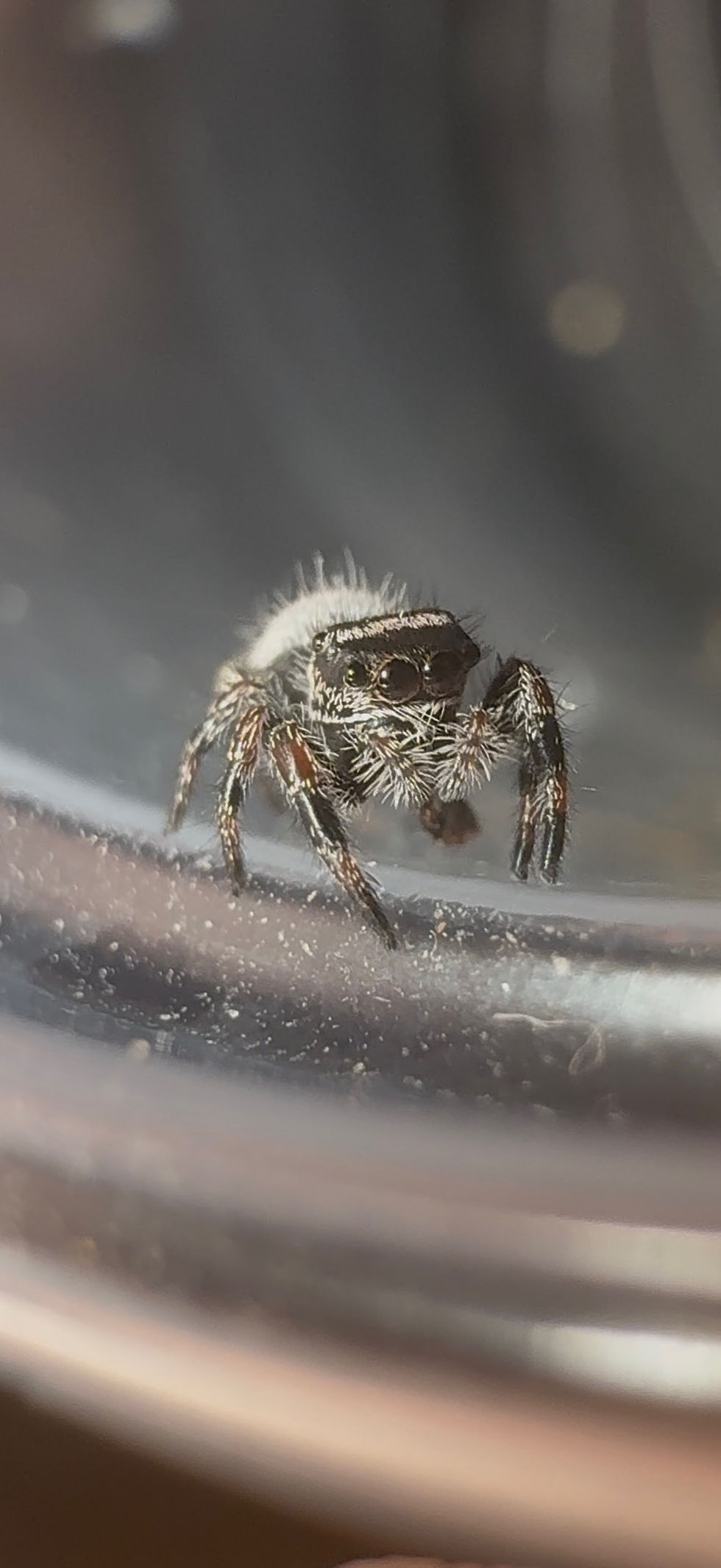
Active, healthy Phidippus regius jumping spiders raised in captivity in the UK



About Jumping Spiders
Jumping spiders are among the most popular pet spiders thanks to their curious personalities, exceptional eyesight and engaging hunting behaviour. Unlike web-building spiders, jumping spiders actively stalk and pounce on their prey using impressive precision.
At MM Invertebrates, we specialise in captive-bred jumping spiders, carefully raised to ensure they are healthy, well-established and ready for their new homes. We offer a range of locales, suitable for both first-time keepers and experienced keepers, with expert advice available before and after every purchase.
Whether you're looking for your first jumping spider or adding a new jumping spider to your collection, captive-bred specimens provide the best start and support responsible, sustainable keeping.
Jumping Spider Care Guide
Jumping spiders are considered one of the easiest spiders to keep, making them an excellent choice for beginners. With the correct enclosure, appropriate temperatures and a varied diet of live insects, they thrive in captivity.
Enclosure Setup
Jumping spiders require a secure, well-ventilated enclosure with plenty of vertical climbing space. We recommend a Cork bark, twigs, foliage and other décor provide anchor points for web hammocks and encourage natural behaviours. For an adult jumping spider, we recommend a 20cm x 20cm x 20cm acrylic enclosure. These spiders thrive with bright light, so we always recommend a supplementary led light to stimulate a day and night cycle.
Temperature
Phidippus regius jumping spiders are comfortable between 22°C and 28°C, making them well suited to typical indoor conditions with gentle supplementary heatmat, attached to a thermostat, if required.
Humidity
We recommend keeping humidity between 60-75%, with regular misting and access to fresh water while maintaining good ventilation to prevent excess moisture and stagnant air..
Feeding
Jumping spiders generally feed on live insects such as fruit flies, up to around i6 (however, this is based on the individual) and will move up to green bottle flies, blue bottle flies and other suitable feeders as adults.
Maintenance
Routine care for jumping spiders is simple - remove uneaten prey when necessary, maintain a clean enclosure and ensure suitable ventilation, temperature and humidity.
Why Choose A Captive Bred Jumping Spider?
Captive-bred jumping spiders are generally healthier, less stressed and better adapted to life in captivity than wild-caught specimens. Choosing captive-bred animals also supports ethical breeding practices and helps reduce pressure on wild populations.
At MM Invertebrates, every jumping spider is raised with care, and we're always happy to provide advice on feeding, moulting, enclosure setup and ongoing husbandry.
Frequently Asked Questions
Do jumping spiders make good pets?
Jumping spiders are widely regarded as one of the best pet spiders due to their inquisitive behaviour, excellent vision and relatively straightforward care requirements.
What do jumping spiders eat?
Jumping spiders feed on live insects including fruit flies, green bottle flies, blue bottle flies and other appropriately sized feeder insects..
Are jumping spiders venomous?
Like all spiders, jumping spiders do have venom, which is very effective for their prey. However, they are not considered medically significant to humans and are generally calm, non-aggressive animals.
How long do jumping spiders live?
Lifespan varies depending on the species and sex, but many captive-bred jumping spiders live for one to two years, with females often living longer than males.
Are jumping spiders suitable for beginners?
Absolutely. Their manageable size, straightforward husbandry and fascinating personalities make jumping spiders one of the most beginner-friendly spiders available.